Aluminum foil is a staple in kitchens worldwide, known for its versatility in cooking, baking, and food storage. However, a common question often arises: which side of aluminum foil should you use? Let’s explore the science behind aluminum foil, the differences between the shiny and dull sides, and the best practices for using it effectively in your culinary endeavors.
The Science Behind Aluminum Foil
Aluminum foil is made by rolling large slabs of aluminum until they become thin sheets. During the manufacturing process, two sheets of aluminum are rolled together to achieve the desired thinness. This process leaves one side with a shiny finish and the other side with a dull, matte finish. The difference in appearance between the two sides often leads to the question of which side should face the food when cooking or wrapping.
Shiny Side vs. Dull Side: Does It Matter?
Heat Reflection and Cooking:
One of the most common misconceptions is that the shiny side of aluminum foil should be used to reflect heat, while the dull side should be used to absorb it. In reality, the difference in heat reflection between the two sides is negligible. Both sides of aluminum foil conduct heat equally well, making no significant difference in cooking times or outcomes. Therefore, when it comes to cooking, baking, or grilling, you can use either side of the foil without affecting the result.
Non-Stick Applications:
Some types of aluminum foil, specifically non-stick foil, are designed with a special coating on one side. In these cases, the non-stick side is usually the dull side, and this is the side that should be in contact with food. Using the non-stick side helps prevent food from sticking to the foil, making it easier to remove baked goods or roasted vegetables without leaving any residue behind. If you are using standard aluminum foil, however, there is no difference in stickiness between the shiny and dull sides.
Food Storage and Preservation:
When using aluminum foil for food storage, such as wrapping leftovers or covering dishes, the choice of which side to use is also largely a matter of preference. Both sides provide an excellent barrier against moisture, oxygen, and light, helping to keep food fresh. Some people prefer to wrap food with the shiny side facing out for aesthetic reasons, while others might not have a preference at all. The key factor in food preservation is ensuring that the foil is wrapped tightly to prevent air from entering and moisture from escaping.
Practical Tips for Using Aluminum Foil
Cooking and Grilling:
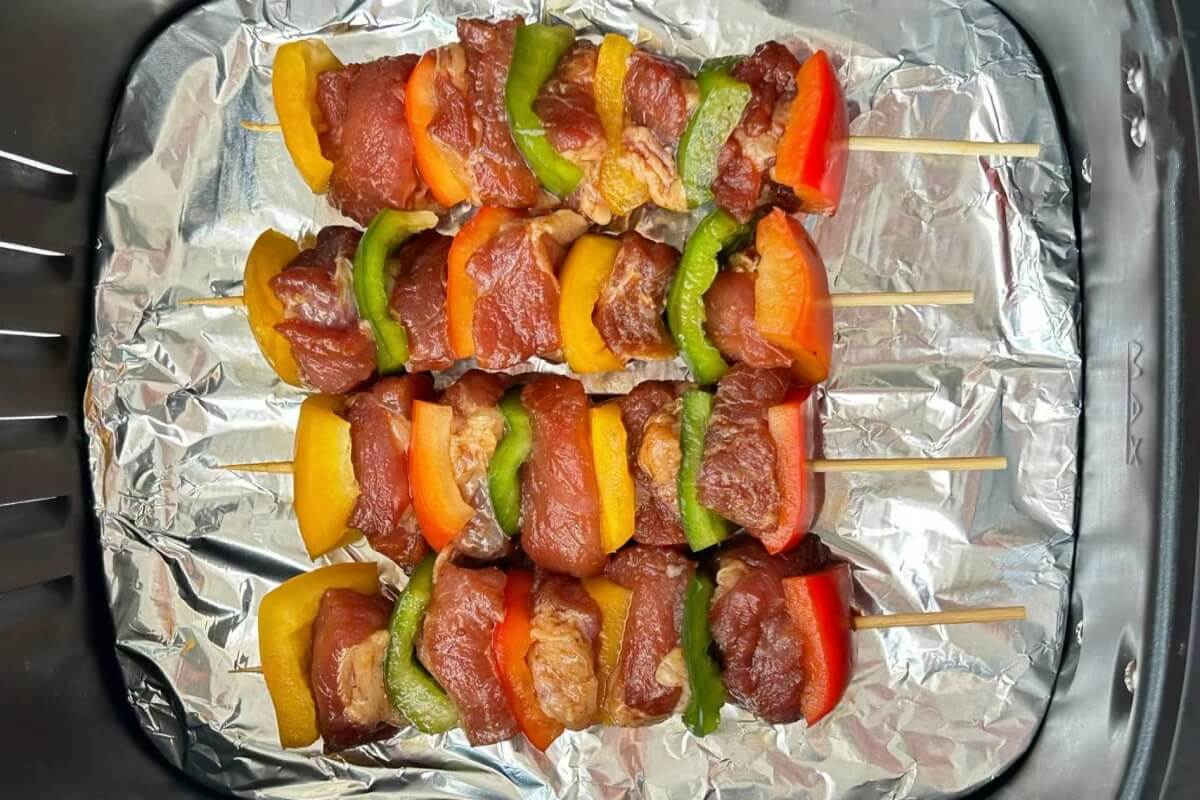
When using aluminum foil for cooking or grilling, it is important to focus more on how the foil is used rather than which side is up. For instance, creating a foil tent over roasted meats can help retain moisture, while using foil to line baking trays can make cleanup easier. Whether you place the shiny or dull side against the food, the key is ensuring that the foil is securely in place to prevent any leaks or burns.
Oven Safety:
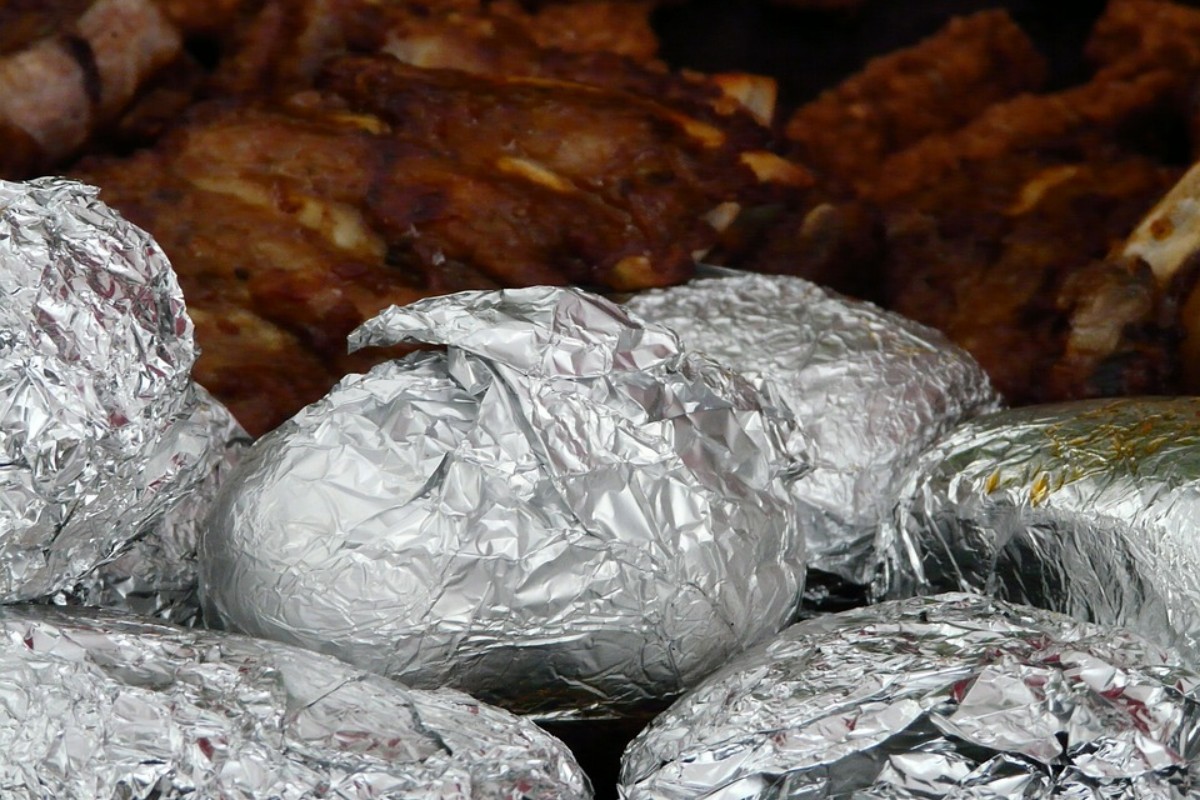
Aluminum foil is safe to use in the oven, but it should never be placed directly on the oven’s heating elements or the bottom of the oven. Doing so can cause the foil to melt and may damage the oven. Always use aluminum foil on baking sheets, or create foil packets to cook food evenly and maintain moisture.
Freezing and Storing:
For freezing and storing food, aluminum foil is an excellent choice due to its impermeability to light, oxygen, and moisture. Wrap foods tightly to prevent freezer burn, and label the packages with the date for easy identification later. Both sides of the foil provide the same level of protection, so feel free to use whichever side you prefer.
The shiny and dull sides of aluminum foil only differ in appearance. Both sides work equally well for cooking, baking, and food storage. The key to using aluminum foil is how you apply it, whether for grilling, baking, or preserving food. With this understanding, you can confidently use aluminum foil in your kitchen, knowing either side will give the same results. So, the next time you’re in the kitchen, use whichever side of the aluminum foil you prefer—both work the same!