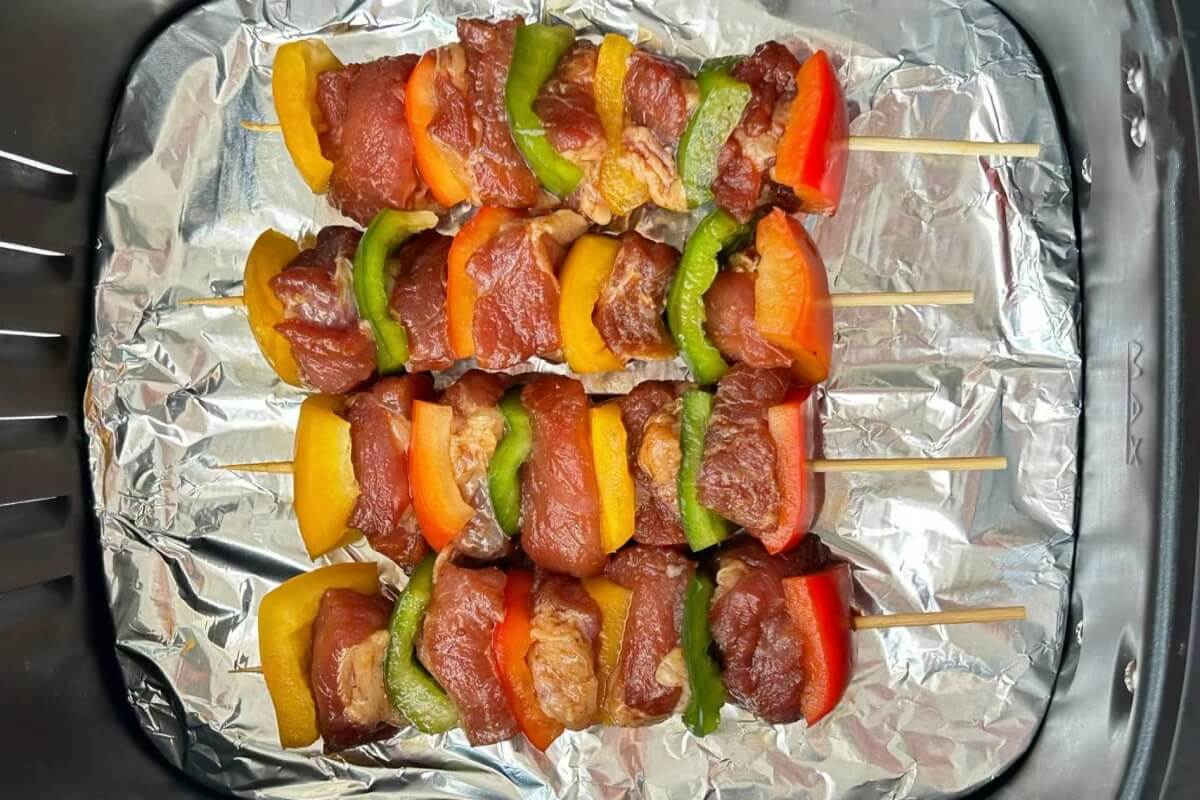
When it comes to food preparation and storage, aluminum foil and tin foil are common materials used for wrapping and cooking. Although many people use the terms interchangeably, they have distinct differences in composition, properties, and applications. .
What is Aluminum Foil?
Aluminum foil is a thin sheet of aluminum that has been rolled to a very thin gauge, typically less than 0.025 mm in thickness. It is soft, malleable, and easily shaped, making it ideal for a wide range of uses in kitchens and beyond. One of its most notable characteristics is that it does not spring back when molded, allowing for precise wrapping of food items.
Aluminum foil is favored for its ability to preserve food freshness and flavor. It is opaque, non-toxic, and does not shed particles, making it safe for food contact. Additionally, aluminum foil is cost-effective and widely available, contributing to its popularity in both residential and commercial kitchens.

What is Tin Foil?
Tin foil, on the other hand, is made from a thin sheet of tin or a tin-aluminum alloy. While it shares some similarities with aluminum foil, tin foil has different physical and chemical properties. It tends to have a shinier appearance and a distinct silvery-white color, with a slight bluish tint. Tin foil has excellent thermal and electrical conductivity, making it useful for various applications beyond food storage, such as lighting fixtures and insulation.
Historically, tin foil was more commonly used before aluminum became the material of choice due to its greater availability and lower cost. Although tin foil can still be found in some specialty applications, it is increasingly rare in typical kitchen use.
Material Differences and Production Processes
The production of aluminum foil involves rolling aluminum or aluminum alloys, resulting in a flexible and lightweight material. This process creates a product that is not only versatile but also highly resistant to heat and moisture. In contrast, tin foil is produced through calendering tin or tin-aluminum alloys, which results in a slightly more brittle material with a lower melting point.
Physical and Chemical Properties
One of the key distinctions between aluminum foil and tin foil lies in their thermal properties. Aluminum has a melting point of approximately 660°C and a boiling point of 2327°C, making it suitable for high-temperature applications. Tin foil, however, has a significantly lower melting point of around 231°C, which can limit its usability in cooking, particularly in high-heat environments like grilling or baking.
Additionally, aluminum forms a protective oxide layer when exposed to moisture, enhancing its corrosion resistance. Tin, while also resistant to corrosion, is less durable under extreme conditions and can degrade faster than aluminum.
Appearance and Usability
When comparing their appearances, tin foil generally appears shinier than aluminum foil, which has a more matte finish. Commercially available tin foil is often packaged with layers of cotton paper between sheets to prevent sticking, making it less user-friendly than aluminum foil, which is typically sold in easy-to-cut rolls.
Because aluminum foil is more robust and versatile, it has largely supplanted tin foil in modern kitchens. It can be easily cut, shaped, and used for a variety of cooking methods, making it a staple for food preparation.
Which is Better for Grilling
Both aluminum foil and tin foil can be used effectively in grilling applications, but aluminum foil is the superior choice. Its higher melting point allows it to withstand the intense heat of grills without risk of melting or releasing harmful substances into the food. Tin foil’s lower melting point means it can begin to deform at temperatures above 160°C, which can compromise the integrity of your grilled items.
Moreover, aluminum foil is typically more affordable and readily available, making it the preferred option for home cooks and professional chefs alike. Its heat retention properties also enhance cooking efficiency, helping to maintain the moisture and flavor of grilled foods.
The Superiority of Aluminum Foil
While both aluminum foil and tin foil have their unique characteristics and applications, aluminum foil clearly stands out as the better option for most food-related uses. Its safety, durability, and versatility make it an essential tool in any kitchen, especially for grilling and cooking. As consumer preferences evolve, aluminum foil continues to dominate the market, offering a reliable and effective solution for food storage and preparation.