
Aluminum foil is a versatile and indispensable tool in the kitchen, offering solutions for everything from effortless cleanup to perfectly cooked meals. As a manufacturer of aluminum foil products, we’re excited to share expert techniques to help you maximize its potential. Here’s how to use aluminum foil like a pro.
1. Simplify Cleanup and Prevent Messes
Line baking sheets, pans, and oven racks with aluminum foil to catch drips and spills. This not only reduces scrubbing time but also protects your bakeware from stubborn residue. For dishes with bubbly sauces or juicy roasts, place a foil sheet on the rack below to prevent drips from reaching the oven bottom—but avoid lining the entire oven floor, as it can disrupt airflow and pose a fire hazard.
2. Lock in Moisture and Flavor
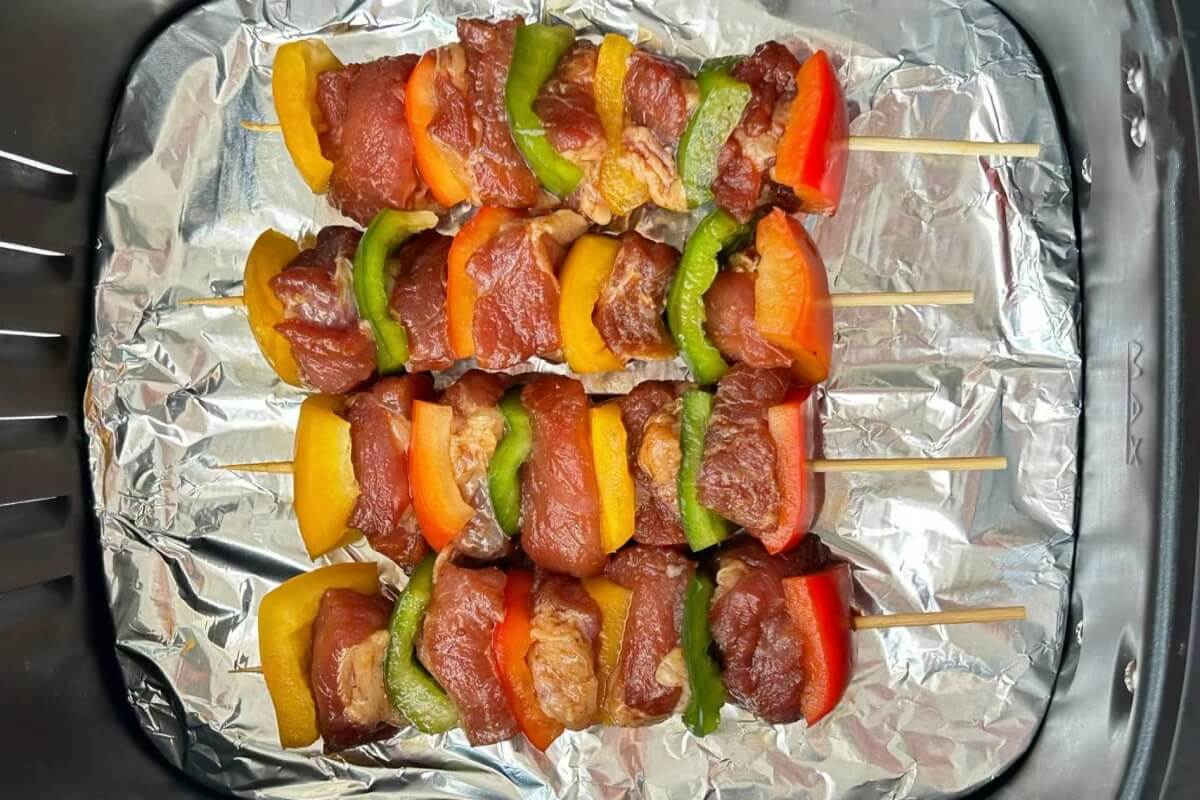
Create a loose “tent” of foil over casseroles, roasted meats, or poultry to trap steam and prevent drying. This technique is ideal for slow-cooked dishes like pot roast or turkey breast, ensuring juicy results. For individual portions, craft foil packets: place ingredients in the center of a foil sheet, fold the edges to seal, and bake or grill. The enclosed steam cooks food evenly while infusing flavors—perfect for salmon with herbs or chicken fajita veggies.
3. Shield Delicate Foods from Over-Browning
Prevent pie crusts, cheesecakes, or casseroles from burning by covering problem areas with foil. For pies, strip a narrow piece of foil around the crust edges during baking; remove it near the end to allow the center to cook fully. Similarly, shield the surface of quiches or gratins with a loose foil cover during the initial baking stage.
4. Master Grilling with Foil Packets
Grilling vegetables, fish, or small cuts of meat? Foil packets are your best ally! They prevent food from falling through grill grates, reduce flare-ups, and concentrate flavors. Use heavy-duty foil for durability, and leave a small air pocket inside to promote steam circulation. For perforated foil allows smoke to penetrate while containing delicate items like shrimp or sliced veggies.
5. Enhance Baking with Customized Solutions
• Blind Baking Pie Crusts: Line raw crusts with foil, add pie weights or dried beans, and chill before baking to avoid puffing.
• DIY Mold Creation: Shape foil into temporary molds for cupcakes, rolls, or even decorative cookies. Its non-stick properties (especially with non-stick foil) simplify release.
• Edge Protection: Wrap foil around the rim of pie plates or cake pans to buffer intense heat for sensitive desserts.
6. Optimize Food Storage and Freshness
Wrap leftovers, baked goods, or raw ingredients in foil to maintain moisture and extend shelf life. Foil’s barrier against air and light helps prevent freezer burn when used over a layer of plastic wrap. For organized meal prep, divide portions into foil-wrapped bundles for freezing.
7. Avoid Common Pitfalls
• Acidic Foods: Minimize prolonged contact with tomatoes, citrus, or vinegar-based dishes, as acidity can cause aluminum to leach into food. Opt for parchment paper or glass containers for these items.
• Microwave Safety: Never use foil in microwaves—it can spark and damage appliances. Stick to microwave-safe covers instead.
• Oven Placement: Keep foil away from heating elements and ensure it doesn’t block airflow. Use a dedicated drip pan for juicy roasts rather than lining the oven bottom.
8. Choose the Right Foil for the Job
• Standard Foil: Ideal for covering dishes, wrapping sandwiches, or lining cool pans.
• Heavy-Duty Foil: Essential for grilling, roasting, or recipes with sharp edges (e.g., bone-in meats).
• Non-Stick Foil: Perfect for sticky foods like caramelized desserts or cheesy casseroles.
9. Embrace Creative and Eco-Friendly Practices
• Reuse and Recycle: Gently wipe clean, unused foil for future tasks. Recycle thoroughly cleaned foil according to local guidelines.
• DIY Tools: Mold foil into funnels, temporary lids, or even a makeshift scrubbing pad for tough grease (avoid non-stick cookware).
Final Tip: Aluminum foil’s flexibility and heat conductivity make it a powerhouse for both everyday meals and gourmet experiments. By pairing these techniques with food-grade, heavy-duty foil—like our premium products—you’ll achieve cleaner, smarter, and more delicious results every time. Happy cooking!
For more insights on aluminum foil best practices, explore our blog or contact us directly!

