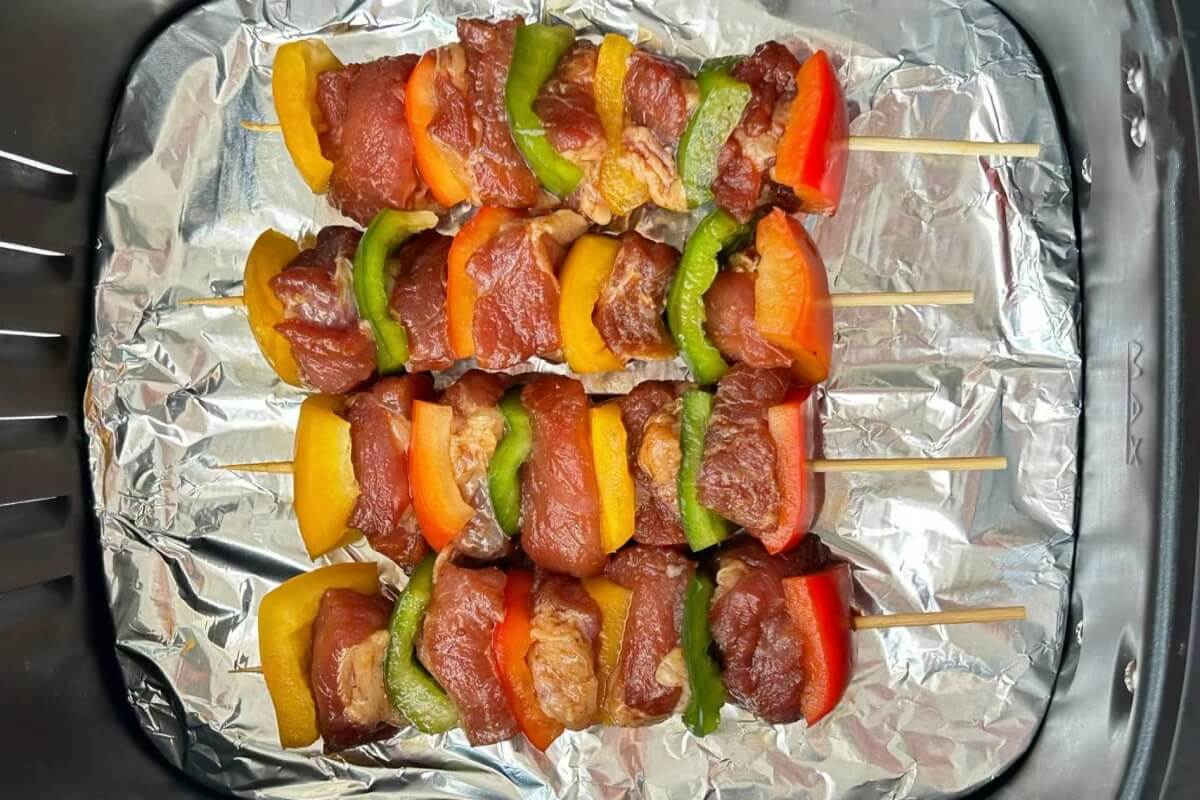
Aluminium foil containers are a kitchen staple for their versatility, but many home cooks wonder: Can you safely freeze and bake in the same container? The short answer is yes—with the right techniques. This guide breaks down how to use an aluminium foil container in oven and freezer without compromising food quality or safety.
Why Aluminium Foil Containers Work for Freezer-to-Oven Cooking
Aluminium’ s unique properties make it ideal for both freezing and baking:
Temperature resistance: Most aluminium foil trays tolerate temperatures from -40°F (-40°C) to 450°F (232°C), covering freezer storage and standard oven use.
Lightweight durability: Unlike glass or ceramic, these containers won’t crack during rapid temperature changes.
Even heat distribution: Aluminium ensures consistent cooking, whether reheating frozen lasagna or baking casseroles from scratch.
However, success depends on proper preparation and handling.
Step 1: Choose the Right Aluminium Foil Container
Not all foil containers are created equal. For freezer-to-oven transitions:
- Opt for heavy-duty aluminium foil trays (at least 25 microns thick) to prevent warping.
- Avoid containers with plastic coatings or non-stick layers, which may degrade in extreme temperatures.
- Select sizes that leave ½-inch headspace for food expansion during freezing.
Step 2: Prepare Food for Freezing
Maximize flavor and texture when using an aluminium foil tray freezer:
- Cool cooked dishes completely before freezing to prevent condensation and ice buildup.
- Line the container with parchment paper for acidic foods (e.g., tomato-based sauces) to minimize metal reactions.
- Wrap tightly with foil or plastic wrap to prevent freezer burn.
- Pro tip: Label containers with dates and reheating instructions for convenience.
Step 3: Freeze Safely
Flat freezing: Place the aluminium foil container on a level shelf to ensure even freezing. Stack only after contents solidify.
Avoid overloading: Most home freezers maintain 0°F (-18°C)—ideal for preserving food for 2-3 months.

Step 4: Transition from Freezer to Oven
Never thaw frozen aluminium containers at room temperature—this encourages bacterial growth. Instead:
- Preheat the oven to 325–375°F (163–190°C). Lower temps prevent sudden thermal shock.
- Remove wrappings: Take off plastic wrap or outer foil layers to allow heat circulation.
- Place the container directly on a middle oven rack—no baking sheet needed.
- Adjust cook time: Add 50–75% more time than fresh recipes require. Check internal food temps with a thermometer (165°F/74°C for meats).
Caution: Avoid broiler settings, as extreme direct heat can warp thinner trays.
Step 5: Reuse or Recycle?
While aluminium foil containers in ovens are technically reusable:
- Discard if warped or corroded, as uneven surfaces affect cooking performance.
- Hand-wash gently with mild soap; dishwashers may accelerate wear.
- Recycle: Scrubbed, grease-free aluminium is 100% recyclable.
Foods to Avoid in Freezer-to-Oven Aluminium Trays
High-acid dishes (e.g., lemon tarts, marinara): Prolonged contact can impart a metallic taste.
Liquid-heavy recipes: Soups or stews may leak during thawing. Use leak-proof lids.
Why This Method Saves Time and Money
No dish swapping: Eliminate the need to transfer food between freezer bags and bakeware.
Portion control: Freeze individual servings in small aluminium foil trays for quick meals.
Zero cleanup: Dispose of containers after use (though recycling is encouraged!).
Mastering the aluminium foil container in oven and freezer workflow streamlines meal prep while reducing waste. By selecting quality trays, prepping food wisely, and following safe temperature practices, you can turn frozen dishes into oven-fresh meals effortlessly. Whether you’re batch-cooking casseroles or storing holiday leftovers, this method delivers convenience without compromising on taste or safety.