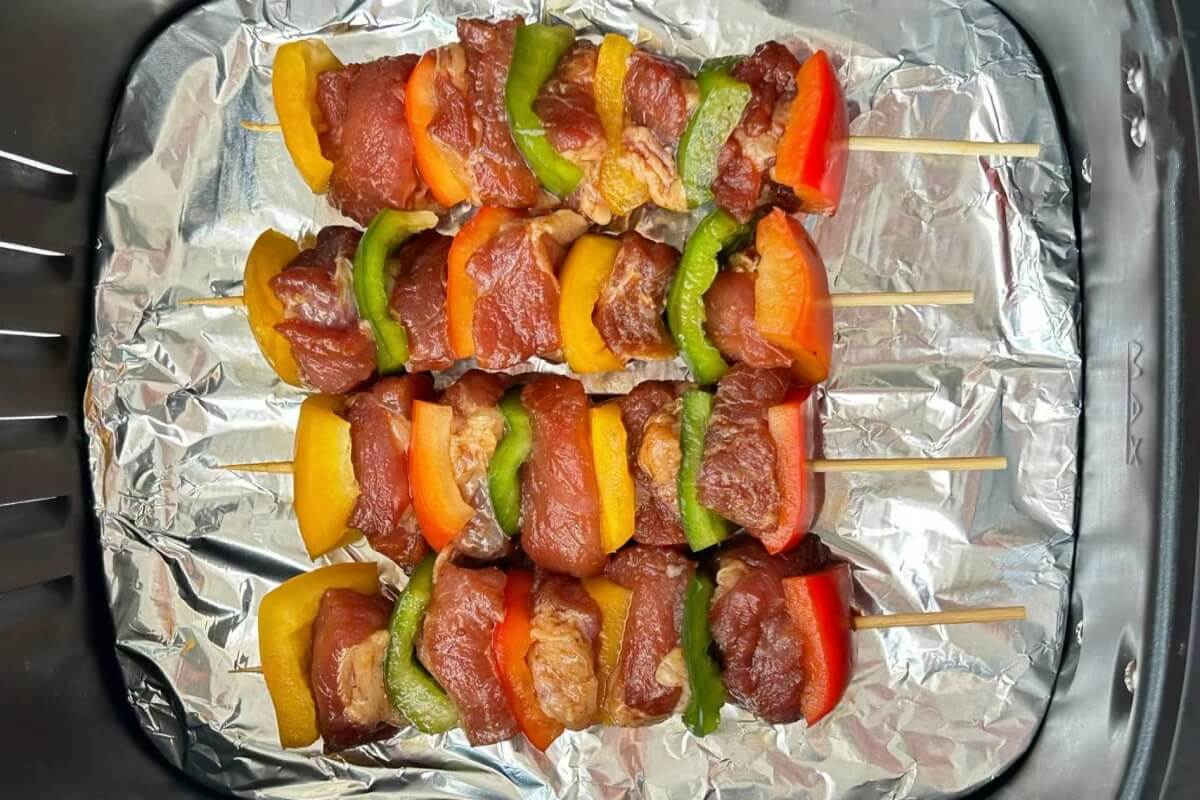
In the commercial baking industry, efficiency is key to delivering high-quality products at scale. Aluminum foil plays a crucial role in helping bakers achieve faster cooking times, better heat distribution, and easier cleanup. Whether it’s lining pans, covering baked goods, or facilitating even browning, aluminum foil has become a staple in bakeries around the world.
Faster Baking with Aluminum Foil
Aluminum foil significantly reduces baking times by reflecting heat and distributing it evenly across the baking surface. When bakers line their pans or baking sheets with aluminum foil, it helps create a more uniform heat environment, allowing the food to cook faster without burning. This is particularly beneficial in high-volume settings, where time savings translate to increased productivity.
For example, when preparing pastries, covering them with aluminum foil prevents the tops from browning too quickly while ensuring that the inside cooks thoroughly. The foil acts as a shield, trapping moisture and heat, which speeds up the baking process. This also allows for more efficient use of oven space, as multiple trays can be baked simultaneously with consistent results.
Better Heat Distribution for Even Baking
One of the standout properties of aluminum foil is its excellent heat conductivity. It helps distribute heat evenly, preventing hot spots that can cause uneven baking. Commercial bakers rely on this characteristic to ensure that every cookie, cake, or loaf of bread is baked to perfection.
When aluminum foil is used to line baking sheets, it helps transfer heat more efficiently to the baked goods. This is especially important for items that require precise temperatures, such as delicate pastries or breads that need to rise evenly. The even distribution of heat also means fewer chances of undercooked centers or overcooked edges, a common challenge in large-scale baking operations.
Moreover, aluminum foil can be shaped and molded to fit various baking pans, ensuring that every part of the food is exposed to consistent heat. This versatility makes it a go-to solution for bakers working with different types of baked goods, from cookies and brownies to pies and tarts.

Simpler Cleanup with Aluminum Foil
In the fast-paced environment of a commercial bakery, time spent on cleanup is time lost on production. Aluminum foil offers a solution by significantly reducing the effort needed to clean baking trays and pans. When bakers line their equipment with foil, it creates a protective barrier that prevents food from sticking or burning onto the surface.
After baking, the foil can be easily removed and discarded, leaving behind a clean tray ready for the next batch. This not only saves time but also prolongs the life of the baking equipment, as it minimizes the need for scrubbing or harsh cleaning agents. For commercial operations that run multiple baking cycles in a day, this efficiency boost can make a noticeable difference in overall productivity.
In addition, using aluminum foil helps reduce the amount of water and cleaning chemicals needed, making the baking process more environmentally friendly. Many commercial bakeries are now focusing on sustainability, and aluminum foil provides an effective way to minimize waste while maintaining high hygiene standards.
Versatility in Commercial Baking
Aluminum foil’s versatility makes it an essential tool for a wide range of baking applications. From wrapping dough to prevent it from drying out during proofing, to covering delicate pastries during transportation, aluminum foil meets the demands of various stages in the baking process.
For instance, commercial bakers often use aluminum foil to create custom-sized covers for rising dough, ensuring that it maintains the right moisture level without being exposed to direct air. It’s also useful for wrapping up partially baked goods that will be finished later, allowing bakers to prepare large quantities of products in advance without compromising quality.
Aluminum foil is a critical asset in the commercial baking industry, offering faster baking times, better heat distribution, and simpler cleanup. Its versatility and performance-enhancing qualities make it a trusted tool for bakers looking to optimize their processes and deliver consistent, high-quality results. Whether it’s used to line pans, wrap dough, or cover delicate items, aluminum foil continues to play a vital role in improving efficiency in commercial kitchens. For businesses focused on productivity, aluminum foil is not just a convenience—it’s a necessity.