Aluminum foil containers play a crucial role in modern food preservation practices, offering significant benefits for both commercial enterprises and household consumers alike. These containers are not merely convenient vessels for food storage but also actively contribute to extending the shelf life of perishable foods and maintaining their quality through various mechanisms.
Preservation Mechanisms of Aluminum Foil Containers
Aluminum foil containers create a barrier that effectively blocks light, oxygen, and moisture, which are primary contributors to food spoilage. This barrier prevents oxidation and microbial contamination, thereby preserving the freshness of foods such as fruits, vegetables, meats, and baked goods. By minimizing exposure to these elements, aluminum foil containers help retain the natural flavors, nutrients, and textures of foods for longer periods.
Extended Shelf Life in Commercial Settings
In commercial food industries, where large-scale production and distribution are common, aluminum foil containers offer unparalleled advantages. They facilitate efficient packaging, ensuring that food products reach consumers with minimal deterioration in quality. Whether used for pre-packaged meals, takeaway services, or catering purposes, these containers maintain the integrity of food products during storage and transportation, meeting stringent hygiene and safety standards.
Benefits for Household Use
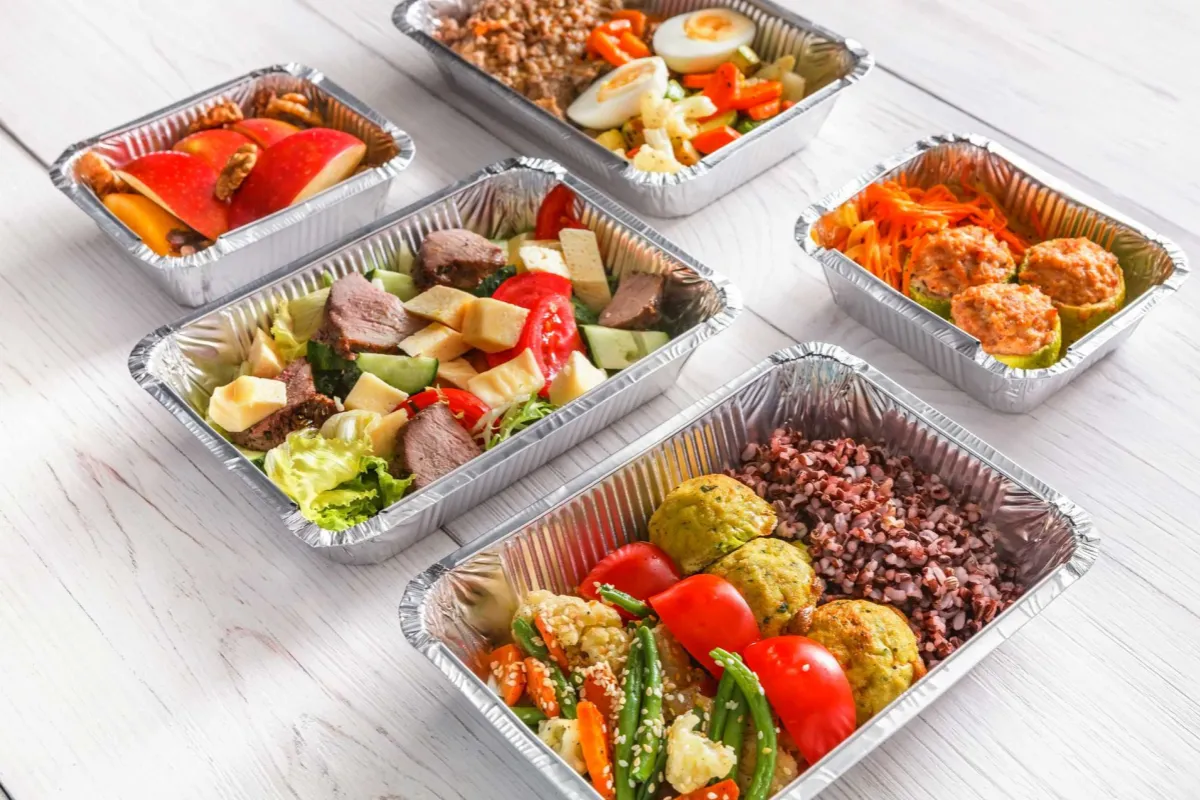
For household consumers, aluminum foil containers provide convenient options for storing leftovers, meal preparation, and freezing foods. Their versatility allows for easy reheating in ovens or microwaves without compromising food quality. This convenience promotes sustainability by reducing food wastage, as leftovers can be stored safely and enjoyed later without concerns about flavor loss or contamination.
Sustainability and Recyclability
Beyond their preservation capabilities, aluminum foil containers are recognized for their eco-friendly attributes. Aluminum is a highly recyclable material, with the ability to be reused repeatedly without losing its quality. Recycling aluminum foil containers significantly reduces energy consumption and greenhouse gas emissions compared to producing new aluminum, making them a sustainable choice for food packaging.
Versatility in Food Preparation and Cooking
Aluminum foil containers are not limited to storage; they also play a crucial role in food preparation and cooking. Their heat-conducting properties ensure even cooking and reheating, which is essential for maintaining food quality and flavor. From grilling and roasting to steaming and baking, these containers provide chefs and home cooks with versatile options for preparing a wide range of dishes.
Hygiene and Safety Assurance
The use of aluminum foil containers enhances food safety by preventing cross-contamination and preserving food hygiene. Their impermeable nature shields food from external contaminants, ensuring that meals remain safe for consumption throughout their shelf life. This feature is particularly advantageous in environments where food handling and storage conditions must adhere to strict regulatory standards.
Aluminum foil containers serve as indispensable tools in modern food preservation strategies, benefiting both commercial enterprises and households alike. Their ability to extend shelf life, maintain food quality, promote sustainability, and facilitate versatile food preparation underscores their importance in the food packaging industry. Whether used in restaurants, supermarkets, or home kitchens, aluminum foil containers continue to play a vital role in preserving the freshness and longevity of perishable foods, ensuring that consumers can enjoy safe and delicious meals with minimal environmental impact.