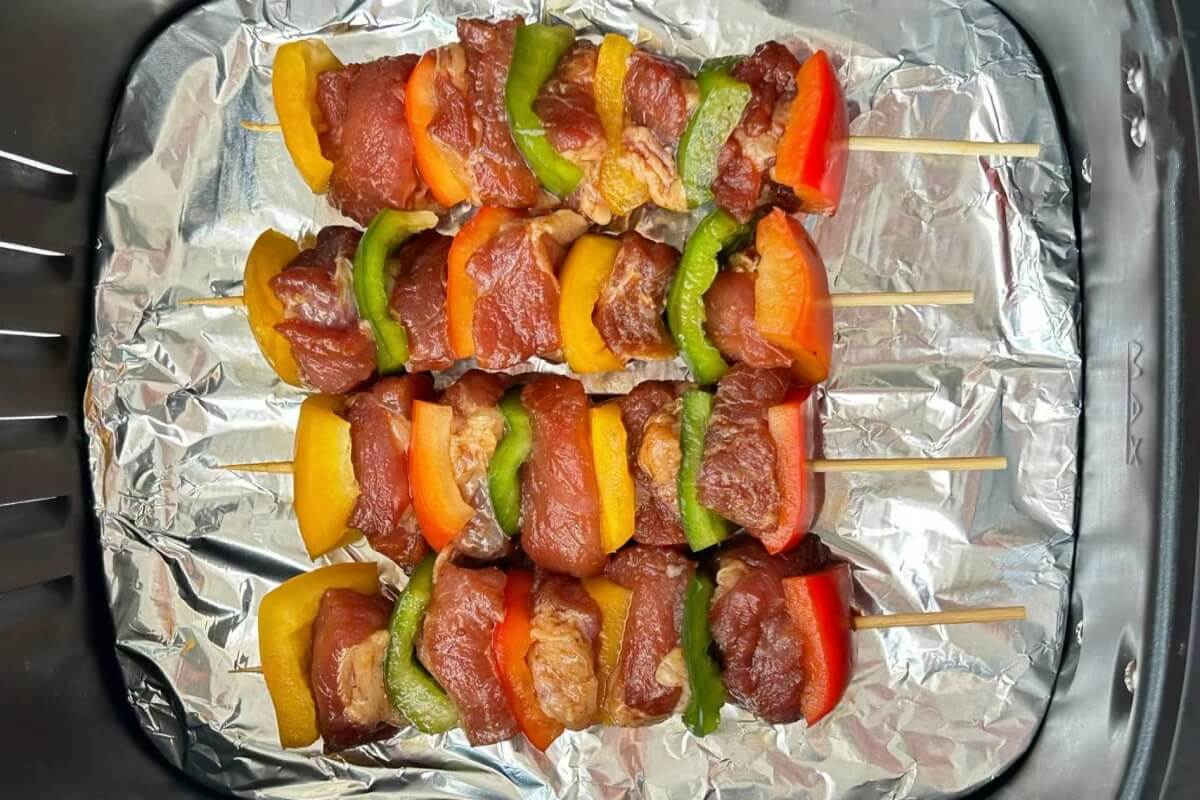
Choosing the right bakeware can make or break your dish. While aluminium foil containers in ovens are popular for convenience, glass and ceramic options have loyal followings too. Let’s break down the pros, cons, and best uses for each to help you decide.
1. Aluminium Foil Containers: The Lightweight Workhorse
A foil baking tray is a go-to for quick meals and hassle-free cleanup. Here’s why they shine:
Best For:
High-heat roasting (450°F/232°C or below)
Grilled veggies, crispy fries, or sheet-pan dinners
Meal prepping/freezer-to-oven transitions
Outdoor cooking or potlucks (disposable and portable)
Pros:
Fast heat conduction: Achieves crispy textures faster than glass or ceramic.
Budget-friendly: Ideal for bulk cooking or gifting food.
Lightweight: Easy to handle, especially for large cuts of meat.
Cons:
Not reusable long-term (can warp or corrode).
Acidic foods (tomatoes, citrus) may react with aluminium.
Thin trays lack insulation, leading to uneven baking for delicate desserts.
Tip: Use an aluminium foil container in oven for recipes requiring quick browning or when cleanup time matters.

2.Glass Bakeware: The Even-Heating Classic
Tempered glass dishes like Pyrex® are kitchen staples for steady, reliable baking.
Best For:
Casseroles, lasagnas, and slow-baked desserts
Recipes requiring consistent temperature control
Visible monitoring (see food through the glass)
Pros:
Non-reactive: Safe for acidic or saucy dishes.
Retains heat: Keeps food warm longer after removing from the oven.
Dishwasher-safe: Easy to clean and reuse for years.
Cons:
Fragile: Sudden temperature changes can cause cracking.
Slower to preheat than metal.
Heavy and bulky for storage.
3.Ceramic Dishes: The Insulated Performer
From colorful ramekins to rustic Dutch ovens, ceramic adds aesthetic and functional value.
Best For:
Baking bread, cobblers, or custards
Recipes needing gradual, gentle heat
Serving directly at the table (presentation-friendly)
Pros:
Superior insulation: Prevents burnt edges on sensitive dishes.
Versatile styles: Available in shapes for specific recipes (e.g., tagines).
Oven-to-table transition: Reduces dishwashing.
Cons:
Longer preheating time.
Risk of chipping if handled roughly.
Higher cost compared to foil or glass.

Key Factors to Consider
A. Heat Conductivity
Foil baking trays heat up fastest but lose warmth quickly.
Glass and ceramic absorb heat slowly but hold it longer.
B. Durability
Aluminium foil containers are single-use or limited reuse.
Glass and ceramic last decades with proper care.
C. Food Compatibility
Avoid acidic recipes in foil; opt for glass or ceramic.
Use aluminium foil containers in ovens for oily or salty foods (less sticking).
D. Sustainability
Foil is recyclable but generates waste.
Glass/ceramic are eco-friendly for long-term use.
When to Choose a Foil Baking Tray
Save time with foil when:
- Meal prepping: Freeze individual portions in aluminium foil containers and bake straight from the freezer.
- Hosting crowds: No post-party scrubbing—just toss or recycle.
- Grilling hybrids: Start on the grill and finish in the oven without switching pans.
The Verdict
Foil: Best for speed, convenience, and high-heat roasting.
Glass: Ideal for saucy, acidic dishes and even baking.
Ceramic: Perfect for presentation-heavy meals and heat-sensitive recipes.
For example, use a foil baking tray for crispy roasted potatoes, glass for a bubbly lasagna, and ceramic for a golden-crusted fruit crumble.
By matching your container to the recipe’s needs, you’ll elevate flavors, textures, and efficiency—whether you’re a weeknight warrior or a weekend entertainer.